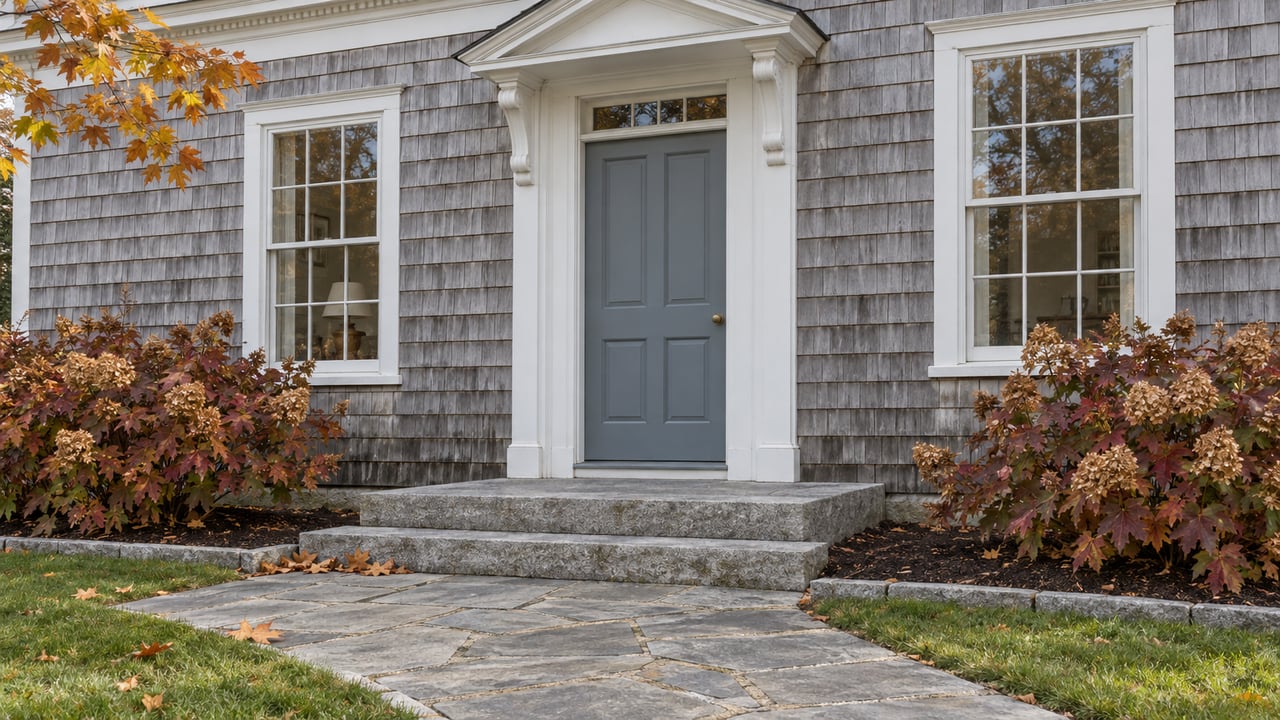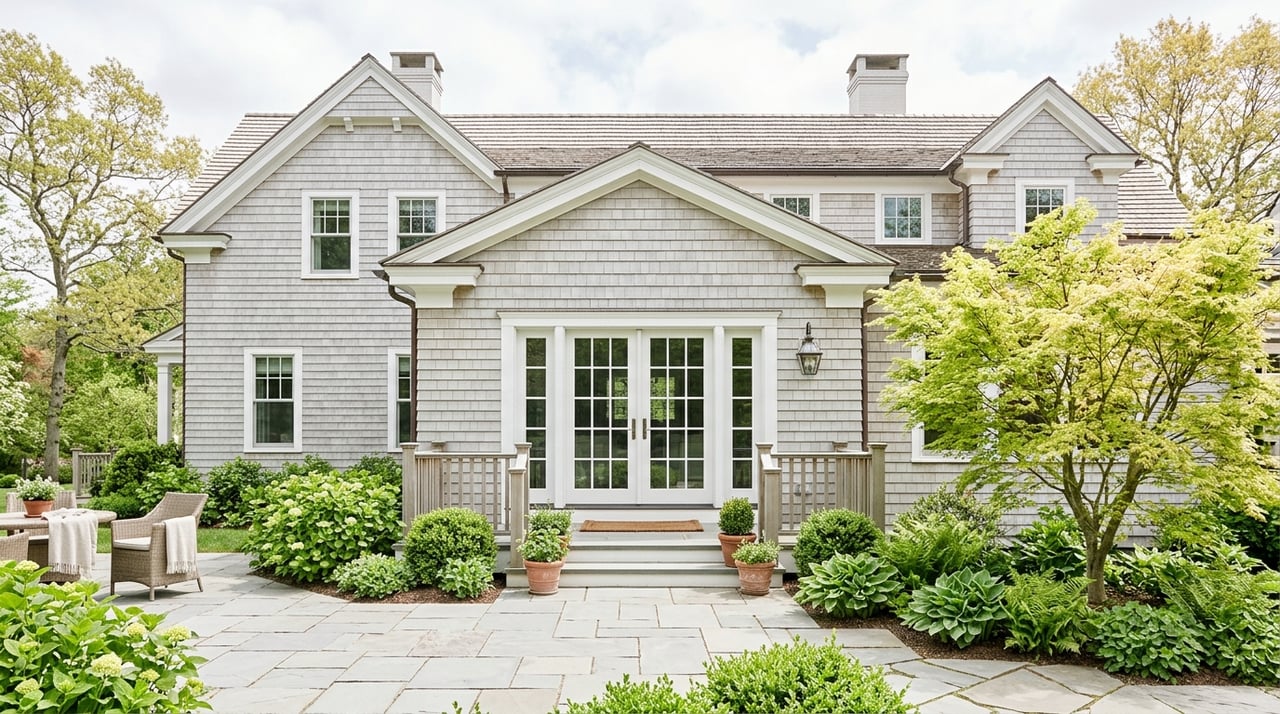
Wondering whether timing really changes your odds in Guilford? It does, but maybe not in the way you think. In a market that remains relatively tight and fast-moving, the season does not completely rewrite the rules. Instead, it shapes how buyers experience your home, how much competition you face, and how well your property’s strongest features come through. If you are thinking about buying or selling in Guilford, understanding that rhythm can help you plan with more confidence. Let’s dive in.
Why seasonality matters in Guilford
Guilford is not just any housing market. It is a coastal Long Island Sound town with beaches, a marina, waterfront parks, and a historic town center built around the Guilford Green. That means the time of year affects more than weather. It changes how buyers connect with the setting, the lifestyle, and the everyday experience of living there.
For shoreline homes, late spring through early fall often brings the strongest visual and lifestyle appeal. Buyers can better judge water views, porches, patios, beach access, and outdoor living when the landscape is green and the shoreline is active. Since Guilford requires seasonal beach passes in summer and hosts outdoor events during the warmer months, that period naturally puts coastal living on display.
Village-area homes have a different seasonal rhythm. The Guilford Green, surrounding businesses, and historic homes are part of the appeal, and those features are easiest to take in on foot during mild weather. In these areas, buyers are often evaluating both the home and the surrounding streetscape, walkability, and town-center atmosphere.
Guilford market conditions today
Recent public market snapshots point to the same broad pattern: Guilford remains competitive. SmartMLS reported 38 new single-family listings, 22 pending sales, 14 closed sales, 8 days on market until sale, a median sales price of $625,500, and 3.0 months of supply in its May 2026 local update.
Other public sources show slightly different numbers, but the takeaway is similar. Zillow showed a typical home value of $634,914, 59 homes for sale, 37 new listings, and homes going pending in about 5 days. Realtor.com described Guilford as a seller’s market, with a $699,000 median list price, a 103% sale-to-list ratio, 29 median days on market, and 115 homes for sale.
At the state level, Connecticut also remained seller-leaning in the state comptroller’s January 2026 update. That report cited 59% of homes selling above list price in October 2025 and a 45-day median from list to close in November 2025. In other words, seasonality in Guilford is less about waiting for a completely different market and more about timing an already active one.
How the year usually unfolds
Spring is the strongest launch window
Spring is usually the most favorable season for sellers, and Guilford tends to follow that pattern. National research cited in the report found that homes often sell fastest and for the most money between late March and April, while homes listed in the last two weeks of May earned about 1.7% more nationwide.
In Guilford, spring works well because it combines better weather, longer daylight, and the first wave of outdoor activity. Homes often photograph better, show better, and feel more inviting. For both shoreline and village properties, spring gives buyers a fuller picture of what makes the home and location appealing.
If you are selling, this is often the season when strong preparation pays off most. A polished launch with professional photography, staging, and clear positioning can help your home stand out when buyer traffic is high.
Summer stays active
Summer is still a meaningful season in Guilford, especially for lifestyle-driven properties. While there can be a dip during vacation weeks, the town’s beaches, waterfront recreation, farmers market, concerts, and historic center are all part of the experience buyers see during this time.
For shoreline homes, summer may be the easiest moment for buyers to imagine daily life there. They can better understand beach access, outdoor entertaining areas, and the feel of the waterfront environment. For village homes, summer also highlights the Green, walkability, and the energy of town events.
This does not mean every seller should wait until summer. It means summer can be especially useful when a home’s value is tied closely to outdoor space, seasonal recreation, or a visible connection to the town’s coastal lifestyle.
Fall brings serious buyers
Fall is often a more selective market. Buyer activity usually continues, but the pool is often smaller and more price-conscious than in spring. In Guilford, that can favor sellers who price carefully and present their homes well.
This season can work nicely for homes that are move-in ready and marketed with a clear story. Buyers who are still searching in fall are often focused and motivated. They may not linger on homes that feel overpriced or unfinished, but they are paying attention to well-positioned listings.
For buyers, fall may offer a useful balance. You may have less inventory to choose from than in spring, but you may also face fewer competing offers.
Winter is slower, not impossible
Winter is usually the slowest season, and Guilford is no exception. There are typically fewer casual buyers, less foot traffic, and more limits on outdoor presentation. That said, winter buyers are often serious about making a move.
If you are selling in winter, preparation matters even more. Realistic pricing, strong interior presentation, and clear photography become critical when the season is not doing as much of the work for you. For some sellers, a winter listing still makes sense, especially if timing matters more than waiting for peak visibility.
For buyers, winter can offer opportunity. There may be fewer homes available, but there may also be more room for negotiation and less competition from other buyers.
Shoreline homes and village homes follow different rhythms
Not every Guilford property should follow the same calendar. A waterfront or near-shoreline home often benefits most from being marketed when outdoor living is visible and appealing. Buyers are not only buying square footage. They are also responding to views, breezes, outdoor seating areas, and seasonal access to the shoreline.
Village-area homes tend to lean more on setting and character. Proximity to the Green, the historic surroundings, and the convenience of nearby shops and restaurants can carry weight year-round, but they often show best when buyers can comfortably experience the area on foot.
That is why local positioning matters. Two homes with the same size and price point may benefit from different launch timing based on what buyers are really coming to see.
What sellers should do with this information
If you are planning to sell in Guilford, the key is not simply picking a season. It is matching your launch timing to your property type, your goals, and your level of readiness.
A practical rule of thumb is to work backward three to four months from your ideal list date. That planning window gives you time to handle repairs, staging, photography, and pricing before peak demand arrives. It also helps you avoid rushing key decisions at the last minute.
For many sellers, the most effective approach includes:
- Identifying the home’s strongest seasonal advantages
- Scheduling updates and repairs well ahead of launch
- Planning photography when landscaping and natural light support the home
- Building a pricing strategy around current local competition
- Telling a clear story about the home’s lifestyle and location
In a place like Guilford, presentation matters because buyers are often responding to both the property and the setting. A home near the water or the Green deserves marketing that reflects how it actually lives.
What buyers should keep in mind
If you are buying in Guilford, each season offers a tradeoff. Spring usually gives you the most selection, but it often comes with the most competition. Fall and winter may offer fewer listings, but they can also mean fewer competing buyers.
If you are focused on shoreline property, it can be especially helpful to see the area during summer at least once. That gives you a clearer view of beach access, outdoor spaces, and the surrounding environment when they are in full use. A winter showing may still help you evaluate the house itself, but it may not reveal the same lifestyle details.
For village-area buyers, walking the Green and nearby streets during active seasons can also add context. You are not just assessing a home on paper. You are seeing how the location feels in real life.
The real takeaway on timing
Seasonality matters in Guilford, but it is not everything. Spring is often the strongest launch window, summer can be ideal for lifestyle-driven homes, fall rewards pricing discipline, and winter favors serious buyers and careful preparation.
The bigger point is that timing works best when it is paired with strategy. In a market as distinctive as Guilford, your results often depend on how well your home is prepared, how clearly it is positioned, and how thoughtfully it is introduced to the market.
If you are thinking about your next move in Guilford, working with a team that understands the Shoreline’s seasonal patterns can make the process feel much more manageable. Cathy Lynch offers no-pressure guidance, hands-on service, and local market insight to help you buy or sell with clarity.
FAQs
When is the best time to sell a home in Guilford?
- Spring is usually the strongest season for selling in Guilford, but the best timing still depends on your home’s type, price point, and how ready it is to hit the market.
Do Guilford shoreline homes sell best in the same season as village homes?
- Not always. Shoreline homes often benefit more from late spring and summer visibility, while village homes may gain more from walkability, historic setting, and town-center appeal.
Is winter a bad time to list a home in Guilford?
- No. Winter is slower, but serious buyers are still active, and a well-prepared, realistically priced home can still attract strong interest.
Should Guilford buyers shop in spring or wait until fall?
- Spring usually offers more choice, while fall often brings less competition. The better season depends on whether you value selection more than negotiating room.
How far ahead should Guilford sellers prepare before listing?
- A useful planning window is about three to four months before your target list date so you can complete repairs, staging, photography, and pricing work in time.
Why does seasonality matter so much in Guilford real estate?
- Guilford’s beaches, waterfront areas, historic Green, and outdoor town activity can change how buyers experience a property depending on the time of year.