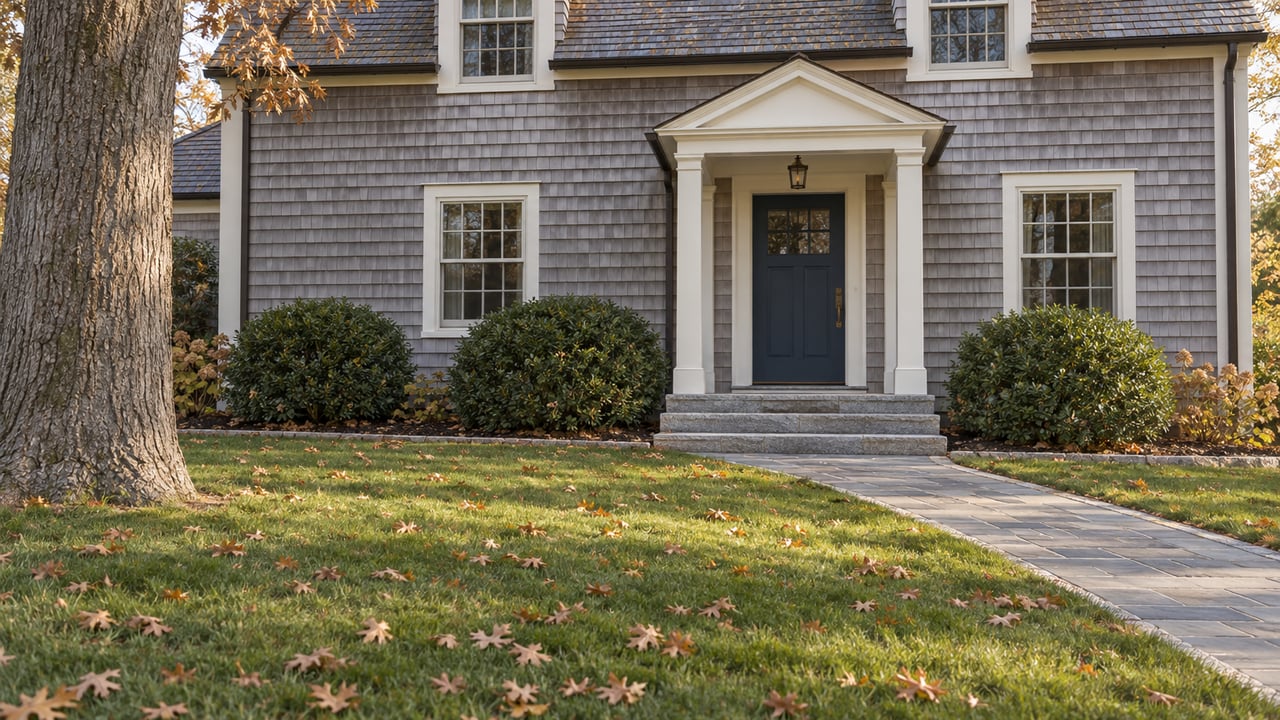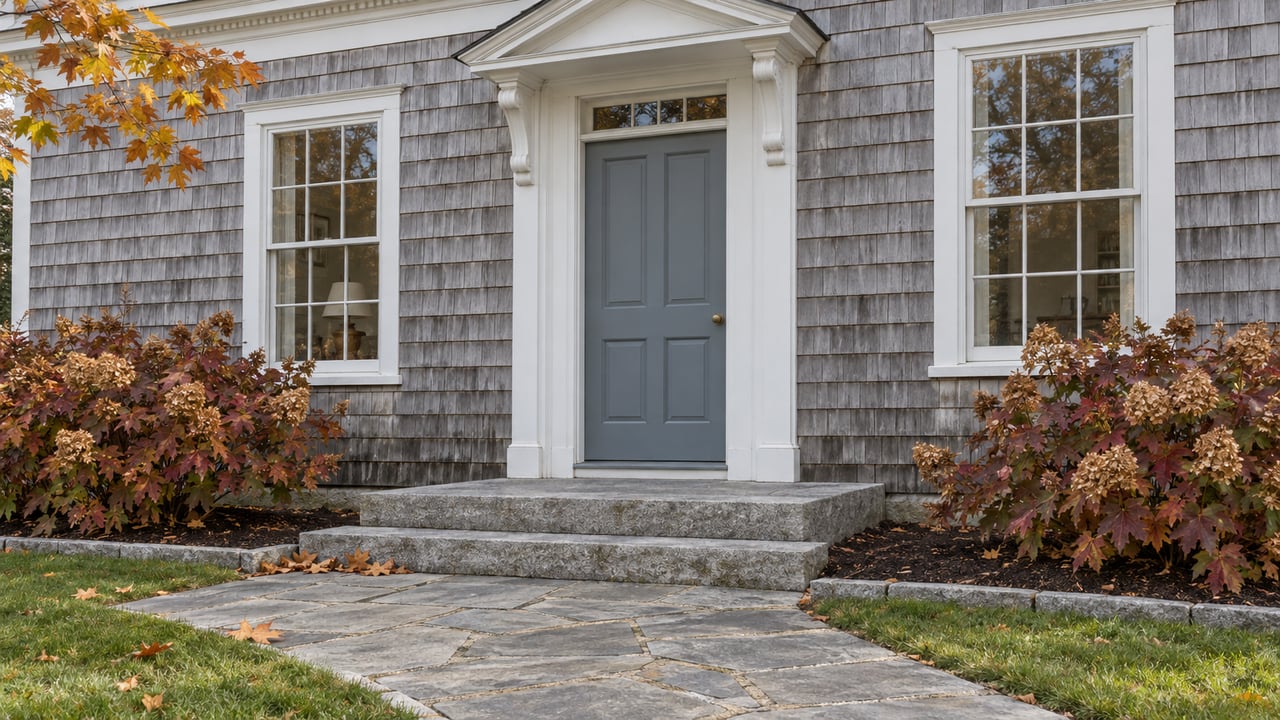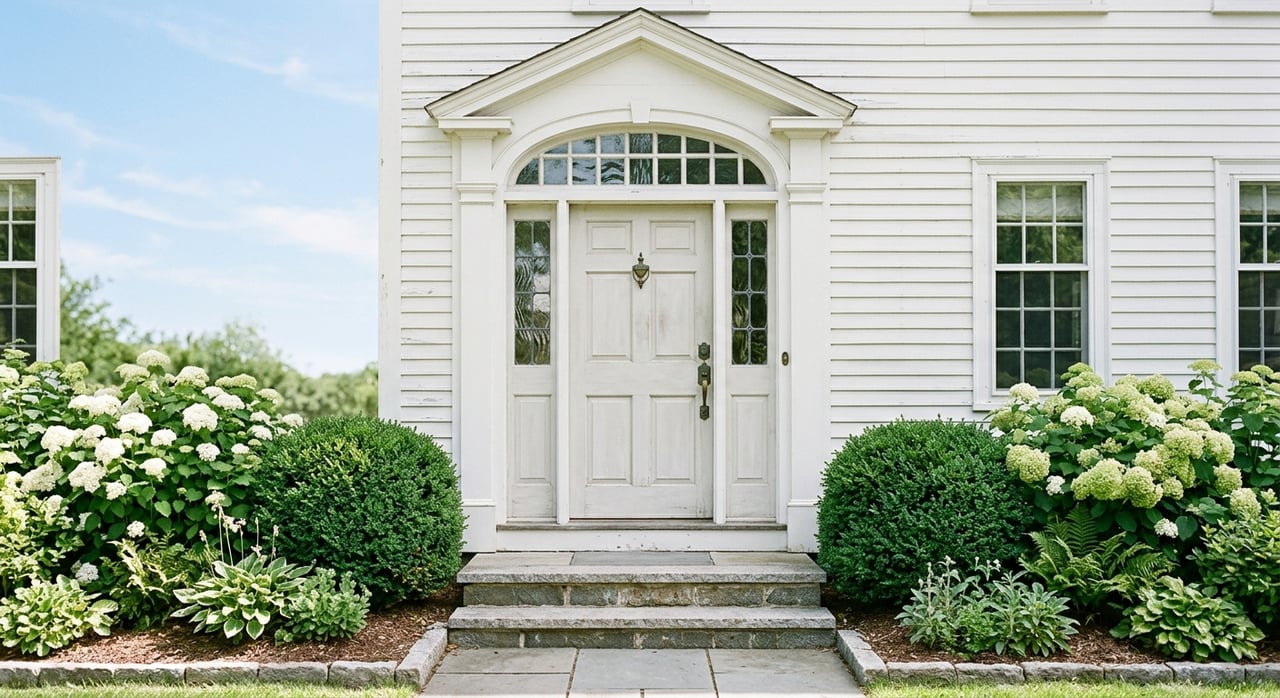
If you own a historic home in Guilford, you already know you are not just selling square footage. You are preparing a property with stories, craftsmanship, and often a few extra rules to navigate. The good news is that with the right planning, you can protect your home’s character, avoid last-minute surprises, and present it in a way that resonates with today’s buyers. Let’s dive in.
Understand Guilford’s Historic Layers
Guilford has a remarkable historic setting, and that context matters when you sell. The town includes two local historic districts, the Town Center Historic District and the Whitfield Street Historic District. The broader Guilford Historic Town Centre spans about four square miles and includes more than 700 structures.
That depth of history shapes how buyers see older homes here. Guilford’s streetscape includes Colonial and Federal homes, along with Greek Revival, Italianate, Second Empire, and later architecture. In practical terms, your home’s value story may come from its authenticity and evolution over time, not from looking frozen in one exact era.
It also helps to know that local historic district status and National Register status are not the same thing. National Register designation can support preservation efforts and may connect to grants, tax incentives, and protection from unreasonable destruction, but it does not by itself stop an owner from making changes. The first key question for most sellers is whether the property is inside one of Guilford’s two local historic districts.
Know What Guilford Regulates
If your home is in one of Guilford’s local historic districts, visible exterior work may require a Certificate of Appropriateness before permits can be issued. Guilford’s rules apply to exterior features that are open to public view. That public view can include not only streets and sidewalks, but also parks, private parking lots, waterways, wharves, boardwalks, and railways.
This is especially important during listing preparation. Many sellers want to freshen up a property before photos or before going live on the market. In Guilford’s local districts, the timing matters because approval may be needed before exterior work begins.
Typical regulated items can include:
- Doors and entranceways
- Porches
- Windows and shutters
- Trim, siding, and roofing changes
- Chimneys and dormers
- Skylights
- Decks
- Fences and masonry walls
- Driveways
- Signage
- Exterior lighting
- Solar panels
- Exterior mechanical equipment
Just as important, some items are specifically listed as non-regulated. These include interior alterations, paint color, routine maintenance, exact like-kind repairs, and temporary real estate sales signs.
Plan Exterior Work Early
If you are considering visible exterior updates before listing, give yourself enough lead time. Guilford’s Historic District Commission may request plans, elevations, specifications, and material information before deciding an application. That means even well-intended pre-sale improvements can affect your launch timeline.
The town’s design guidance also gives you a useful roadmap. In general, repair is favored over replacement. For example, patching or partial repair of windows is preferred before full replacement, and if replacement is necessary, original materials and features should be duplicated as closely as possible.
The same thinking applies across many exterior elements. Additions should be compatible in mass, proportion, material, and location, with side or rear placement preferred when possible. The goal is not to prevent change, but to support changes that fit the historic setting.
Focus on Repairs That Support Value
When you prepare a historic home for sale, not every project adds the same value. In Guilford, buyers are often paying close attention to the condition and care of features that define an older home’s character. That makes thoughtful maintenance more important than broad cosmetic changes.
The most useful pre-listing review areas often include:
- Windows
- Siding
- Masonry
- Roofs
- Entrances and porches
- Gutters
- Chimneys
- Visible site features
These are the areas where condition and documentation can make a strong impression. If work has already been completed, gather receipts, permits, certificates of appropriateness, and before-and-after photos. Clear records help buyers understand what was repaired, what was replaced, and whether visible work was properly approved.
Price With Context, Not Assumptions
Historic homes can command strong interest in Guilford, but pricing still needs discipline. According to SmartMLS, Guilford single-family homes had a median sales price of $650,000 in March 2026, with an average sales price of $852,882, median days on market of 31, inventory of 28 homes, and 1.3 months of supply. For New Haven County overall, the March 2026 median sales price for single-family homes was $410,000, with 45 days on market and 1.9 months of supply.
Those numbers show a market with limited supply, but they do not mean every older home automatically earns a premium. Smart pricing should be grounded in recent local comparable sales, the home’s actual condition, and the quality of its upkeep. For a historic property, documented maintenance, architectural integrity, and any unresolved exterior approval issues can matter just as much as square footage.
It is also wise to keep local data in perspective. SmartMLS notes that Guilford’s monthly percentage swings can look dramatic because of small sample sizes. That is one reason a careful, property-specific pricing strategy matters so much here.
Tell a Stewardship Story
Historic-home marketing works best when it feels factual, calm, and well supported. Buyers shopping in this niche often want to know what is original, what has been updated, and how those updates were handled. A polished presentation matters, but the story behind the presentation matters too.
In Guilford, that means your listing should describe the home’s era, materials, and improvements in concrete terms. If there are approved exterior updates, mention that clearly. If original features remain, identify them accurately rather than relying on vague or overly romantic language.
A strong stewardship story usually includes:
- Original or long-preserved architectural details
- Carefully documented repairs or updates
- Visible exterior work that was properly approved, if applicable
- A clear explanation of how the home balances character and livability
This approach gives buyers confidence. It also helps your home stand out for the right reasons, especially when marketing distinctive properties to both local and out-of-market audiences.
Use Guilford’s Rules to Your Advantage
Some sellers hear “historic district” and assume the sales process will become harder. In reality, Guilford’s rules can help you market with more clarity. Temporary real estate sales signs are non-regulated, interior alterations are not reviewed, and the handbook allows compatible contemporary additions rather than insisting on exact period replicas.
That flexibility is useful. It means you can present a home as both historically grounded and functional for modern living, as long as the visible exterior work respects the surrounding context. For many buyers, that balance is exactly what makes a Guilford historic home appealing.
If your property is on the water or near it, remember that visibility may not be limited to the street. Guilford’s review framework can also consider visibility from navigable waterways and related public viewpoints. That detail can matter when assessing exterior features before listing.
Prepare for Buyer Questions
Buyers interested in historic homes often ask thoughtful, detailed questions. They may want to know about originality, maintenance history, visible updates, and whether any approvals are still pending. Preparing these answers in advance can make your sale smoother.
A simple seller checklist can help:
- Confirm whether the home is in one of Guilford’s local historic districts
- Gather permits and certificates of appropriateness for visible exterior work
- Organize repair receipts and maintenance records
- Identify original features that remain in place
- Note any exterior items that may need future review or approval
- Prepare a concise timeline of major updates
This kind of preparation supports stronger buyer confidence and fewer surprises during due diligence.
Do Not Overlook Lead Paint Disclosure
If your home was built before 1978, lead-based paint disclosure rules may apply. Federal law requires sellers of most pre-1978 housing to disclose known lead-based paint and lead-hazard information, provide available records, share the required EPA pamphlet, and allow buyers a 10-day period for a paint inspection or risk assessment.
This is especially relevant for older homes. The EPA reports that 87 percent of homes built before 1940 and 24 percent of homes built from 1960 to 1978 contain some lead-based paint. If you know lead-based paint is present, you must disclose that information along with any related records and reports.
Why Careful Presentation Matters
Selling a historic home in Guilford is rarely about quick fixes or generic marketing. It is about showing buyers that the home has been cared for with respect for both its architecture and its setting. When your pricing, documentation, and presentation all align, the result is a listing that feels credible and compelling.
That is where a high-touch approach makes a difference. Historic properties benefit from strong photography, thoughtful staging, and narrative-driven marketing that explains not just what the home is, but how it has been stewarded over time. If you are preparing to sell a historic or legacy property on the Shoreline, Cathy Lynch offers the calm, detailed guidance and curated presentation that can help you move forward with confidence.
FAQs
What makes a home historic in Guilford?
- In Guilford, a home may have historic significance because of its age, architecture, setting, or location within a recognized historic area such as the Town Center Historic District, the Whitfield Street Historic District, or the broader Guilford Historic Town Centre.
What exterior work needs approval for a Guilford historic district home?
- In Guilford’s local historic districts, visible exterior changes such as work on windows, porches, siding, roofs, chimneys, decks, fences, driveways, lighting, solar panels, and exterior mechanical equipment may require a Certificate of Appropriateness before permits are issued.
What changes are not regulated in Guilford local historic districts?
- Guilford’s rules list interior alterations, paint color, routine maintenance, exact like-kind repairs, and temporary real estate sales signs as non-regulated items.
How should you price a historic home in Guilford?
- A historic home in Guilford should be priced using recent local comparable sales, current condition, architectural integrity, maintenance records, and any pending or completed exterior approval work rather than assuming age alone adds value.
What documents help when selling a historic home in Guilford?
- Helpful documents include permits, certificates of appropriateness, contractor receipts, maintenance records, and photos showing completed repairs or approved exterior updates.
What should sellers disclose about lead paint in an older Guilford home?
- Sellers of most pre-1978 homes must disclose known lead-based paint and lead hazards, provide available records and reports, share the required EPA pamphlet, and allow buyers a 10-day opportunity for a paint inspection or risk assessment.