If remote work changed what you want from home, Madison deserves a closer look. You may not need to be in a city every day, but you still want easy access when meetings, appointments, or a change of pace call you in. In Madison, you can build your week around shoreline living, flexible travel, and a home that truly supports how you work. Let’s dive in.
Why Madison works for remote life
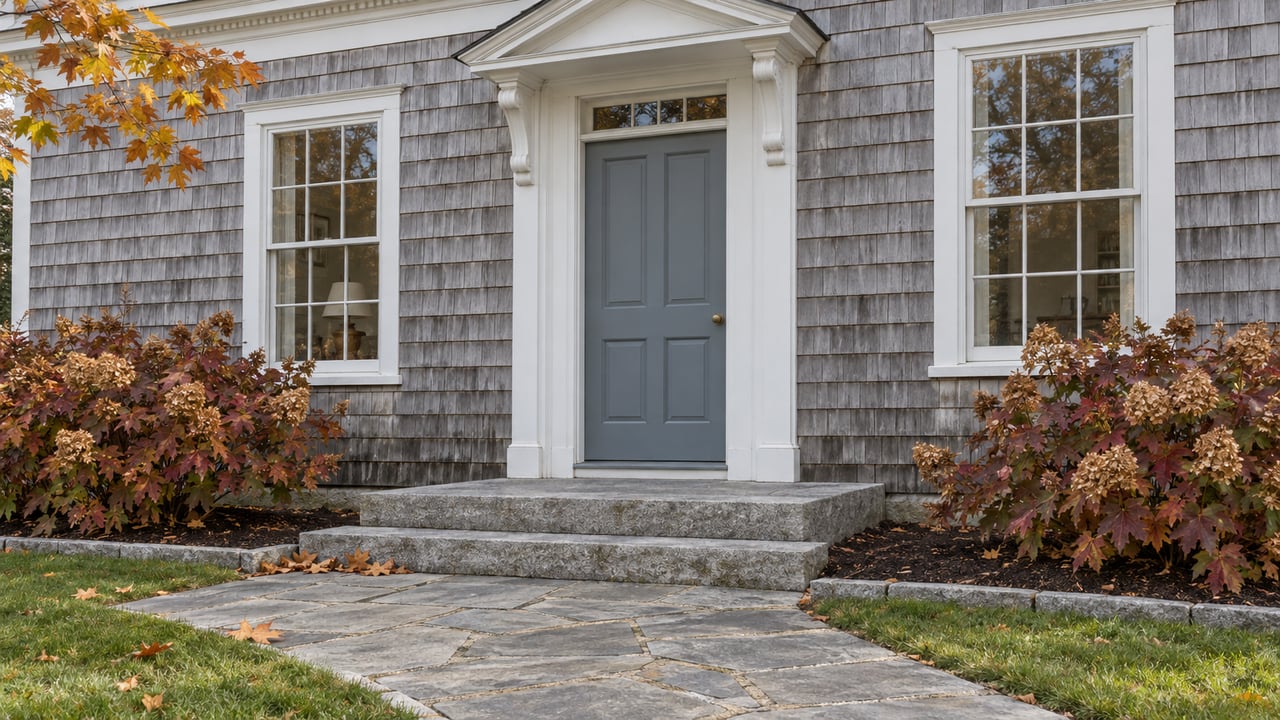
Madison offers a mix that many remote and hybrid workers are searching for: a calmer coastal setting with practical access to bigger employment hubs. The town highlights its coastline, beaches, parks, wooded areas, town farm, hiking trails, and downtown business district, which gives you more than just a place to sleep between workdays.
That lifestyle appeal matters because working from home is no longer a niche pattern. The U.S. Census Bureau reports that 13.3% of U.S. workers worked from home in 2024, which helps explain why buyers increasingly care about office space, dependable internet, and flexible layouts.
For many buyers, Madison fits best when you want a home base that feels settled and local, while still keeping New Haven and occasional larger-city trips within reach. It is less about recreating an every-day urban commute and more about gaining breathing room without giving up access.
City access from Madison
One of Madison’s strengths is that it gives you several ways to connect outward. The town points to direct access to I-95, rail links, and four major international airports within a two-hour driving radius, which supports both hybrid schedules and periodic business travel.
That flexibility is useful if your routine changes from week to week. You might spend most of your time working from home, then need a train into New Haven one day, a drive to an airport another day, and an occasional trip farther west when your calendar requires it.
New Haven is the easiest regular trip
For repeat city access, New Haven is the most straightforward destination from Madison. Shore Line East runs seven days a week, including holidays, and Madison is one of its regular stops.
As of the timetable effective March 29, 2026, weekday westbound departures from Madison to New Haven include 6:21 a.m., 7:05 a.m., 8:00 a.m., and 10:34 a.m. Weekend service also runs, with departures including 7:01 a.m., 8:54 a.m., 11:17 a.m., and 12:56 p.m.
That makes New Haven a practical option for office days, lunch meetings, appointments, or events. If you only need to be in a city occasionally, this kind of repeat access can be more valuable than living in a denser setting full time.
New York City takes planning
If your work occasionally pulls you into Manhattan, Madison can still work, but the trip is transfer-based. Shore Line East connects with Metro-North at New Haven Union Station for service to Grand Central Terminal.
That means Madison is better suited to people who are comfortable with a little planning and a flexible schedule. It is not a one-seat suburban express ride, so it helps to think of New York City access as occasional and workable rather than effortless.
There is also a fare detail worth knowing. On the current Metro-North New Haven Line schedule effective March 29, 2026, peak tickets are required on weekday trains arriving at Grand Central between 6:00 and 10:00 a.m. and departing between 6:00 and 9:00 a.m. and 4:00 and 8:00 p.m.
CTrail also notes that UniRail tickets are designed for Shore Line East connections to Metro-North or Hartford Line service. For a buyer who expects periodic city trips rather than a strict daily routine, that setup can be a good match.
Hartford is possible, but check schedules
Madison also connects to the Hartford Line through New Haven Union Station. That said, the current Hartford Line schedule posted in June 2026 includes bus substitutions related to a planned construction project.
The practical takeaway is simple: Hartford access is possible, but you should check the live schedule before relying on a fixed pattern. For readers comparing lifestyle towns, that is an important distinction.
What the train commute is really like
It is tempting to imagine the train as extra work time, but the current Shore Line East FAQ adds needed clarity. There is no onboard WiFi, and only M8 EMU trains have power outlets at each seat.
That does not make the train unhelpful. It simply means you should think of rail time more as transition time than as a dependable mobile office.
For remote and hybrid buyers, that shifts the focus back where it belongs: your home needs to carry the real load. If your workday depends on stable connectivity, quiet, and comfort, those features matter more than trying to squeeze productivity out of every commute.
Home features to prioritize in Madison
A Madison home can support remote work beautifully, but only if the layout and setup fit your day-to-day reality. The town’s own materials point to high-speed communication systems, rail access, and airport access, which supports a practical home search centered on both lifestyle and function.
When you tour homes, look beyond the kitchen and the view. Ask whether the house can help you work well on a Tuesday in February, not just impress you on a sunny Saturday afternoon.
Look for a real workspace
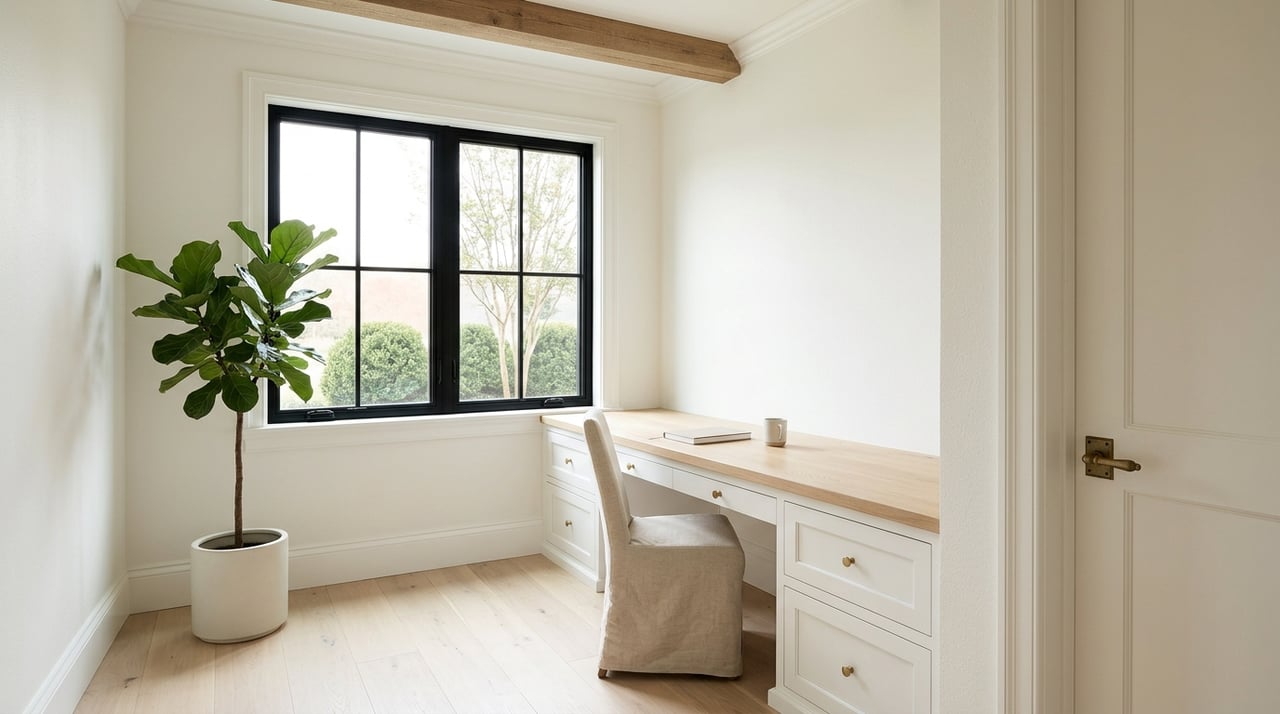
A dedicated office or den is one of the most useful features for a remote worker. Even if you do not need a formal office every day, having a room with privacy and separation can make your schedule more sustainable.
Flexible bonus rooms can also work well, especially if they can shift between guest use and work use. That kind of adaptability is helpful if your needs change over time or if more than one person works from home.
Test internet where you will work
Dependable internet matters, but so does signal strength in the exact part of the house where you plan to work. A home can seem ideal on paper and still fall short if the work zone has weak connectivity.
As you evaluate homes, think practically about router placement, room location, and whether your calls and video meetings will be easy to manage. In a remote-work setup, this is not a small detail.
Think about quiet and daily flow
Outdoor space can be a great lifestyle feature, but for work purposes, a quiet interior room may be just as valuable. If your days include video calls, focused tasks, or long stretches at a desk, the home should support that rhythm.
Storage also matters more than many buyers expect. Places to keep work bags, charging cords, files, and commuting gear can help your home feel organized instead of blended into work clutter.
Consider station convenience
If you expect to mix remote days with train trips, station access becomes part of the value equation. Madison Station offers free daily parking seven days per week, along with bicycle racks and pick-up and drop-off areas.
That setup supports the kind of hybrid life many buyers want now. You can stay local most days, then head out efficiently when you need to.
The lifestyle tradeoff many buyers want
What makes Madison especially appealing is that the tradeoff often feels worth it. You are not choosing between complete isolation and nonstop city energy. Instead, you are choosing a shoreline town that offers beaches, parks, trails, and a downtown business district, while still keeping regional connections in play.
For many buyers, that means less noise and density, more room to spread out, and a better backdrop for the way work now fits into life. If your schedule no longer demands that you be in a major city every morning, Madison can open up options that feel both practical and personal.
This is also why the right home search matters. The best fit is rarely just about square footage or style. It is about how well a property supports your work habits, travel patterns, and the kind of everyday routine you want to build on the Shoreline.
If you are weighing a move to Madison or preparing to position a Madison home for today’s remote and hybrid buyers, working with a local team can help you focus on what truly adds value. Schedule a no-pressure consultation with a Shoreline expert at Cathy Lynch.
FAQs
How easy is it to get from Madison to New Haven for work or meetings?
- Shore Line East runs seven days a week, including holidays, and Madison has regular westbound service to New Haven, making it the easiest repeat city trip from town.
How does a trip from Madison to New York City work?
- You take Shore Line East to New Haven Union Station, then transfer to Metro-North for service to Grand Central Terminal, so the trip is workable for occasional visits but requires planning.
Can you rely on the train from Madison as a place to work remotely?
- Not fully, because Shore Line East does not offer onboard WiFi, and only M8 EMU trains have power outlets at each seat.
What home features matter most for remote work in Madison?
- A dedicated office or flexible workspace, dependable internet, good signal in the work area, useful storage, quiet rooms, and convenient access to parking or the train station are all important features to prioritize.
Is Madison a good fit for hybrid workers who travel some days and stay home others?
- Yes, especially if you want shoreline living and only need periodic access to places like New Haven or occasional transfer-based trips farther out.